From 0.1s to 60s: How Real-Time Data Changed the Way Fans Watch IPL
The Night IPL Changed Forever
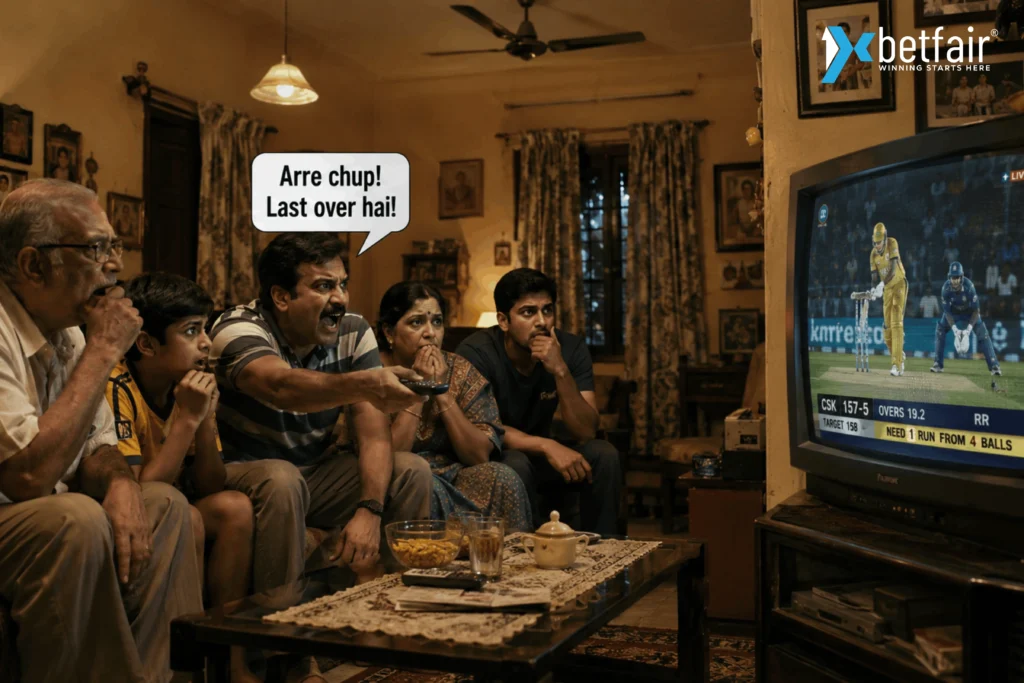
Back in 2010, IPL nights had a different rhythm. One TV in the living room.
One remote nobody was allowed to touch.
And one uncle shouting, “Arre chup! Last over hai!” Fans waited.
Waited for the commentator to speak. Waited for the replay.
Waited for the scoreboard to refresh.
Sometimes, it took almost a full minute before people sitting in Mumbai, Delhi or Jaipur truly understood what had happened on the field.
Now cut to 2026.
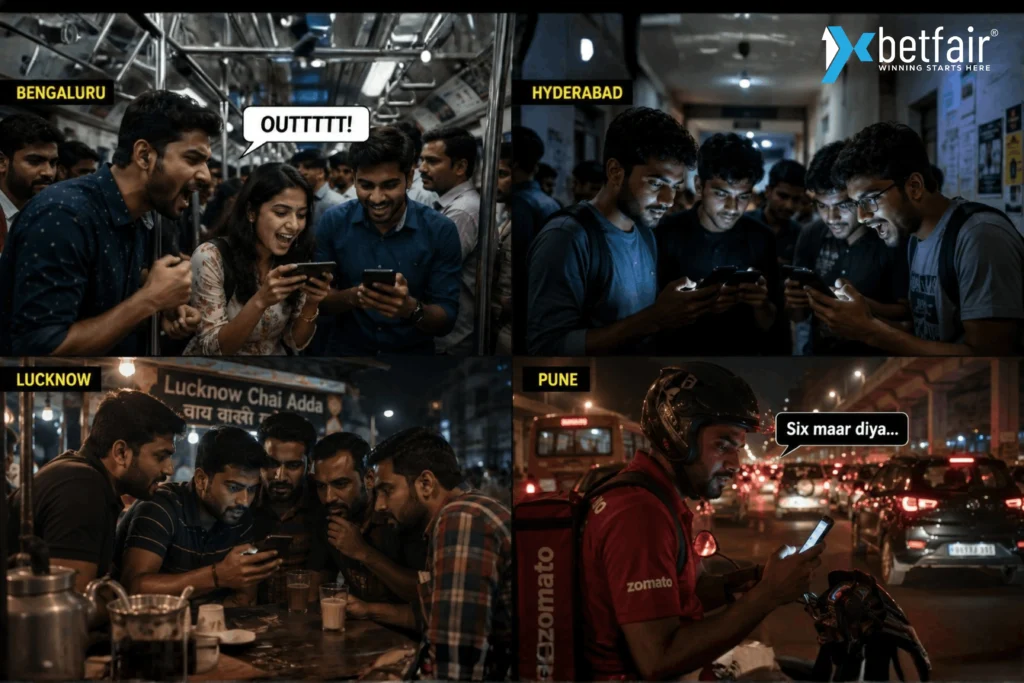
A metro in Bengaluru suddenly explodes with noise. “OUTTTTT!”
Half the passengers are staring at their phones before the TV inside a nearby electronics shop even shows the wicket replay.
In Hyderabad, a college hostel corridor lights up with phone screens at midnight. In Lucknow, chai stall customers lean over one tiny mobile display together.
In Pune traffic, a delivery rider taps his vibrating phone at a red light and whispers, “Six maar diya…”
This is not just cricket anymore. This is real-time emotion.
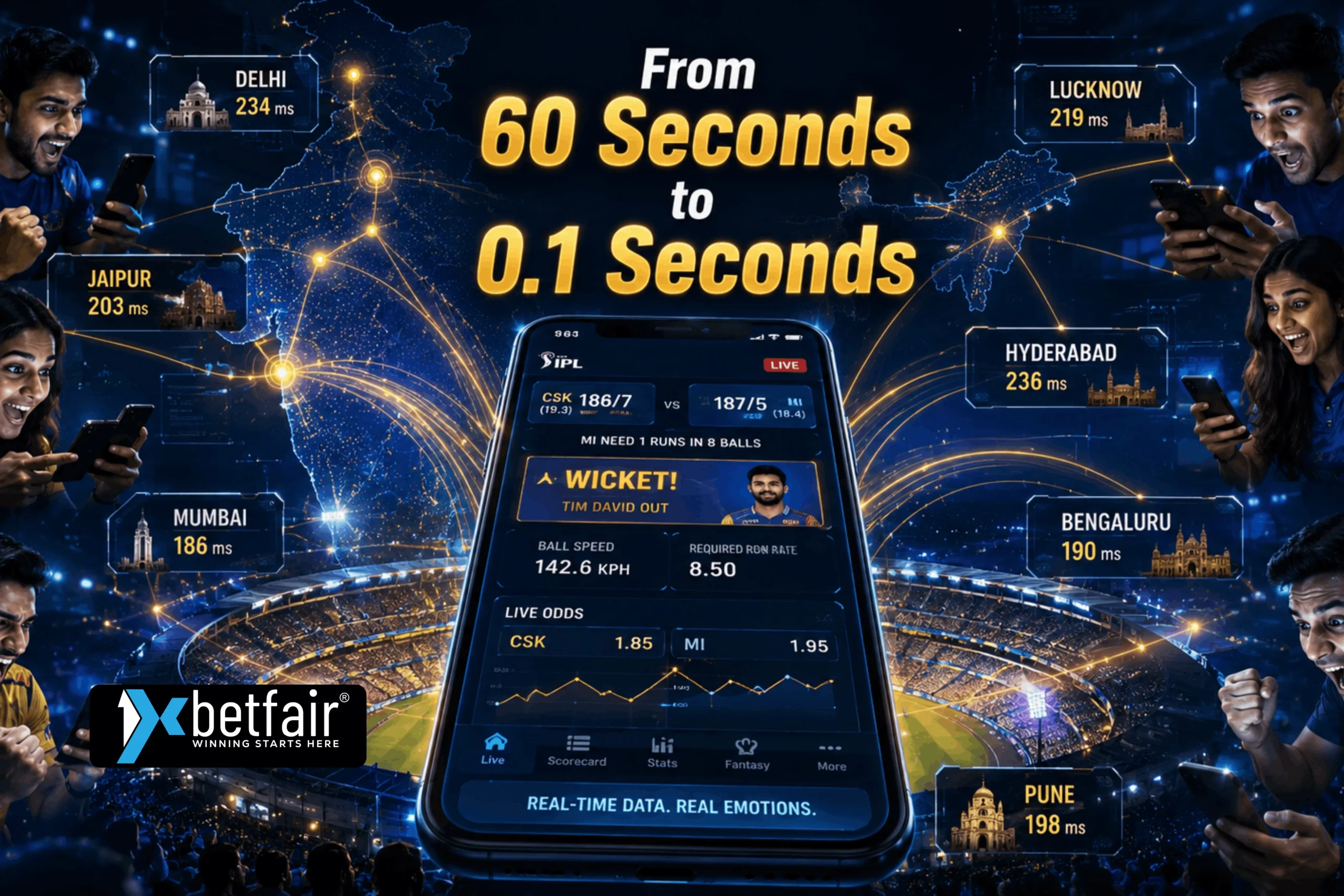
From waiting 60 seconds for updates… to reacting within 0.1 seconds.
Today, live IPL updates travel faster than conversations. Faster than TV commentary. Faster than human reactions themselves.
And somewhere between vibrating notifications, instant memes, and ball-by-ball alerts, the entire experience of watching IPL changed forever.
The Tech Shift That Turned Every Phone Into a Mini Stadium
A few years ago, fans mostly watched cricket on television.
Today, millions prefer to watch IPL on phone while traveling, working, eating or even attending weddings.
The biggest reason? Real-time cricket data.
Sounds technical. But honestly, it’s simple.
The moment a ball is bowled in Chennai or Mumbai, live systems instantly send updates across mobile networks. Within seconds, sometimes faster, fans receive:
IPL live score updates.
wicket alerts.
boundary notifications.
player stats.
live commentary.
momentum changes.
That’s why your phone sometimes reacts before your TV does.
TV broadcasts have small delays because signals travel through multiple systems before reaching your screen. Mobile updates use low-latency sports data systems that push information almost instantly.
And Indian fans adapted quickly.
In Delhi offices, employees secretly refresh scorecards during meetings.
In Patna, students use low-data apps to follow every over from coaching centers. In Indore trains, strangers suddenly become teammates after one dramatic wicket.
The IPL became mobile-first. Not everyone has expensive Wi-Fi or giant televisions. But almost everyone has a smartphone. That changed everything.
Now a fan sitting at a roadside tea shop can experience the same live excitement as someone watching from a luxury apartment in Mumbai.
And language barriers started disappearing too.
Many fans now prefer Hindi updates instead of English commentary. Others switch between both during tense moments.
This new cricket culture is fast, personal and always connected.
Even in Tier 2 and Tier 3 cities, fans don’t wait for newspaper headlines anymore. They live every ball in real time.
When Cricket Became a Second-Screen Emotion
Earlier, families watched IPL together.
Now, everyone watches together… separately. TV is still running in the background.
But the real action?
It’s happening on phones.
This is called second-screen culture.
And honestly, every IPL fan has experienced it. Picture this.
A rooftop gathering in Jaipur. Loud music. Plastic chairs. Paper plates full of biryani.
Suddenly
bzzzzzz
Phones vibrate together. “Virat OUT!”
Before the commentator even finishes speaking, WhatsApp groups explode.
“Bro match gone.” “Fake shot yaar.”
“MEME MATERIAL”
Within seconds, Instagram reels appear. Twitter floods. Fantasy cricket discussions start. Someone begins calculating required run rates faster than the scoreboard.
Real-time updates changed fan behavior emotionally. Now fans don’t just watch IPL.
They react to it instantly.
In Chennai weddings, cousins hide behind decorations to check scores.
In Bengaluru tech parks, office Slack channels quietly become cricket discussion rooms. In Lucknow chai shops, entire crowds refresh scorecards together after every ball.
The match is no longer limited to the stadium. It exists everywhere.
On buses.
In elevators.
At grocery stores. During office commutes.
Even during family dinners. And maybe the craziest part?
Fans feel emotionally closer to the game now.
Every vibration creates tension. Every notification creates hope.
Every update changes mood instantly. One ball can turn silence into screaming.
That’s the power of real-time cricket culture.
Where 1xBetfair Naturally Fits Into This New IPL World
Modern IPL fans don’t just want scores. They want context.
What’s the required run rate? Who is building momentum?
How fast did the game suddenly shift? That’s where platforms like 1xBetfair quietly became part of the everyday IPL experience.
Not as loud advertisements.
More like digital companions during stressful overs.
A fan traveling through Mumbai local trains can quickly check live IPL updates without burning too much data. Someone sitting in a Jaipur hostel can switch between Hindi and English updates depending on who’s watching beside them.
The experience feels built for India’s mobile-first cricket audience.
Features like:
ball-by-ball stats.
customizable IPL alerts.
live odds graphs.
fast score synchronization.
low-data mode.
mobile-friendly viewing.
make following IPL feel smoother and more personal.
And because modern fans constantly shift between TV, social media, and mobile screens, platforms like 1xBetfair fit naturally into that second-screen lifestyle.
Not replacing cricket.
Just helping fans stay emotionally connected to every second of it.
Whether someone is in Hyderabad traffic, a Chennai café, or a Patna hostel room, the game never feels far away anymore.
The Future of IPL Will Feel Even Closer
The next IPL revolution is already coming.
Soon, fans may receive AI-generated highlights seconds after boundaries happen. Smart voice assistants could whisper score updates during traffic jams. AR replays might project sixes directly onto living room tables.
But one thing will remain the same. That heartbeat before the final ball.
That phone vibration during a tense chase. That emotional rush shared by millions across Mumbai, Delhi, Chennai, Lucknow and every small town in between.
Because technology didn’t remove emotions from cricket. It brought fans closer to them.
Faster. Smarter. More personal than ever before.
Disclaimer:
18+ Only. Play Responsibly.
FAQs
How fast are live IPL updates delivered?
Most live IPL updates arrive within seconds using real-time sports data systems.
Why do mobile updates feel faster than TV?
TV broadcasts often have small delays. Mobile notifications use faster digital data delivery systems.
Does real-time data use more mobile data?
Not always. Many platforms now offer low-data modes for smoother cricket tracking.
Can I get IPL alerts in Hindi?
Yes. Many cricket platforms provide Hindi and English notifications for fans across India.
How do low-latency sports updates work?
They send match information instantly through fast digital servers and mobile networks.
Why do IPL fans prefer mobile updates now?
Because fans can follow matches anywhere during travel, office breaks or daily routines.
Can I watch IPL on phone with low internet?
Yes. Many mobile-first platforms are designed to work even on slower internet connections.
Are live IPL updates available during travel?
Yes. Fans regularly follow IPL during metro rides, train journeys and traffic commutes.
What makes real-time cricket data important?
It helps fans feel connected to every ball instantly without waiting for delayed broadcasts.
How does second-screen IPL viewing work?
Fans watch matches on TV while simultaneously checking scores, memes, chats, and updates on phones.