

Introduction: The Game Within the Game
Picture this: You’re sitting at your computer, ready to place a bet on your favorite team. The odds flash on your screen -> 2.50, 3.75, 1.80 -> but what do these numbers actually mean? For many online gaming enthusiasts, odds and probability remain a mysterious language, yet understanding them is the difference between gambling blindly and gaming strategically. Whether you’re exploring sports betting, casino games, or other online gaming options on
platforms like 1xbetfair, grasping the fundamentals of odds and probability isn’t just about mathematics, it’s about empowerment. It’s about transforming yourself from a casual player into an informed decision-maker who understands exactly what’s at stake with every click. Let’s demystify these concepts together and discover how a little knowledge can dramatically improve your gaming experience.
Understanding Odds and Probability: The Foundation
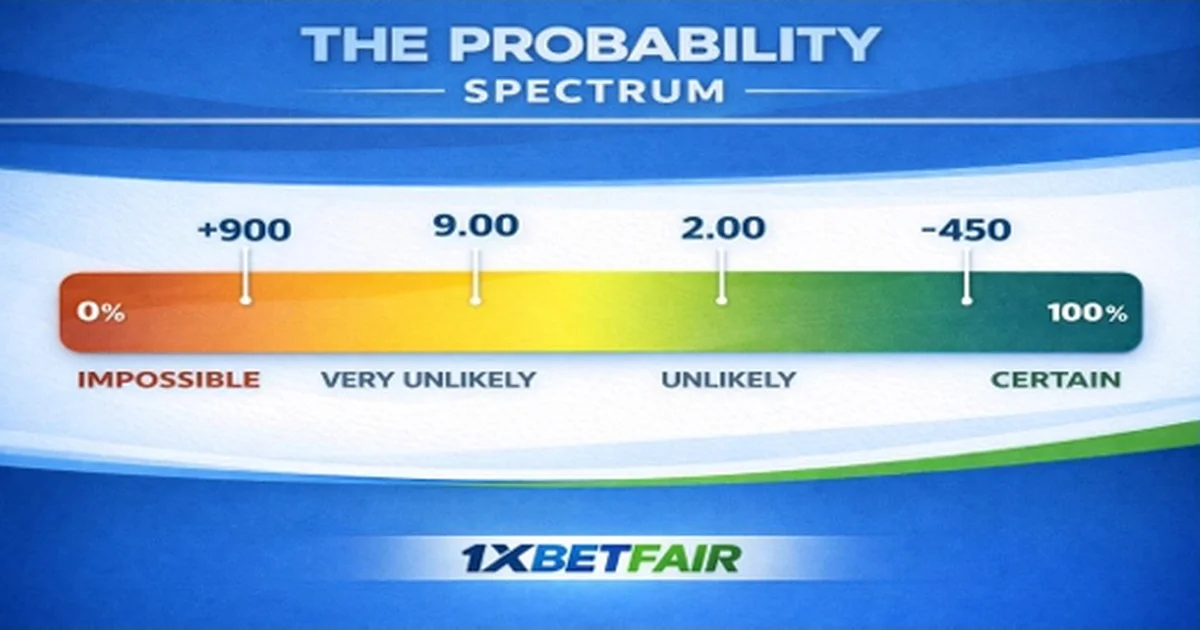
At its core, probability is the mathematical likelihood of an event occurring, expressed as a number between 0 and 1 (or 0% to 100%). If something is certain to happen, it has a probability of 1. If it’s impossible, the probability is 0. Everything else falls somewhere in between. Odds, on the other hand, are simply a way of expressing probability in a format that’s useful for gaming. They tell you two critical things: the likelihood of an outcome and the potential payout if that outcome occurs.
Think of it this way: If you flip a fair coin, the probability of getting heads is 0.5 or 50%. The odds would be “1 to 1” or “evens” -> because heads and tails are equally likely. But in online gaming, odds also factor in the platform’s margin and reflect the potential return on your stake.
There are three main formats for displaying odds:
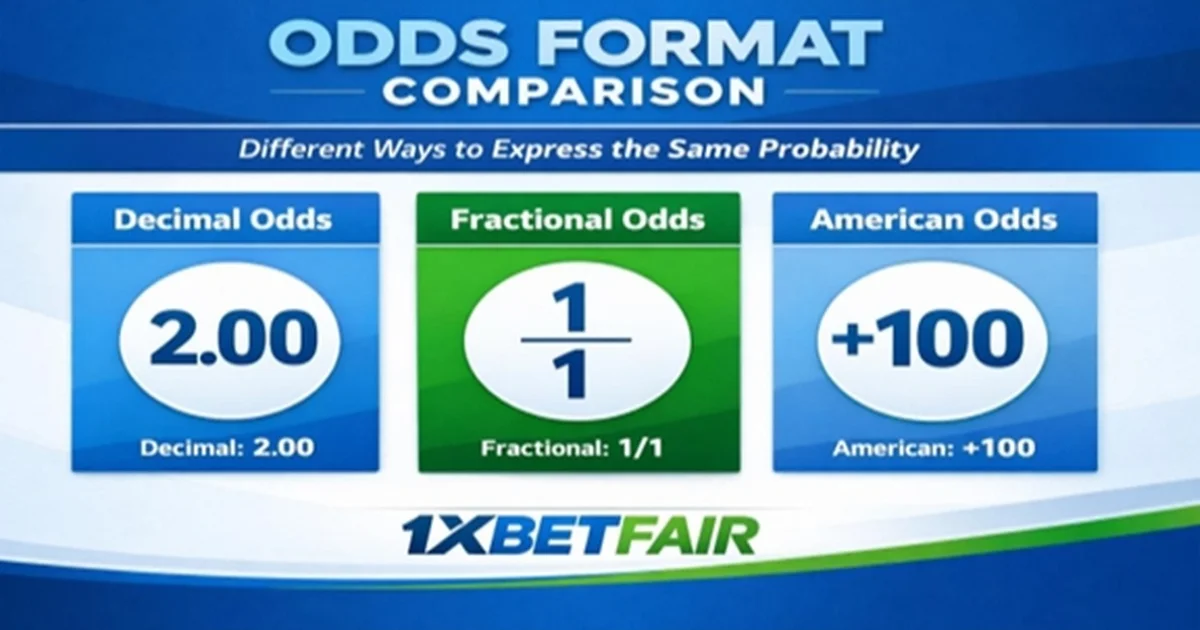

- Decimal Odds (most common in Europe and on platforms like 1xbetfair): Represented as numbers like 2.00, 3.50, or 1.75. These show your total return for every unit staked. If you bet $10 at odds of 2.50 and win, you receive $25 total ($10 stake + $15 profit).
- Fractional Odds (traditional in the UK): Displayed as fractions like 5/1 or 3/2. The first number shows potential profit relative to the stake. Betting $10 at 5/1 odds means you’d win $50 profit plus your $10 stake back.
- American Odds (popular in the US): Shown as positive or negative numbers like +200 or -150. Positive numbers indicate profit on a $100 stake; negative numbers show how much you need to stake to win $100.
Understanding these formats is your first step toward making sense of the gaming landscape.
How Odds Are Calculated: Behind the Numbers
Here’s where things get fascinating. Odds aren’t pulled from thin air—they’re calculated using a combination of statistical analysis, historical data, and market dynamics.
Step 1: Determining True Probability
Gaming platforms employ expert analysts and sophisticated algorithms to assess the true probability of outcomes. For sports betting, this involves analyzing team performance, player statistics, weather conditions, historical matchups, and countless other variables. For a football match, analysts might determine that Team A has a 40% chance of winning, Team B has 35%, and a draw has 25% probability.
Step 2: Converting Probability to Odds
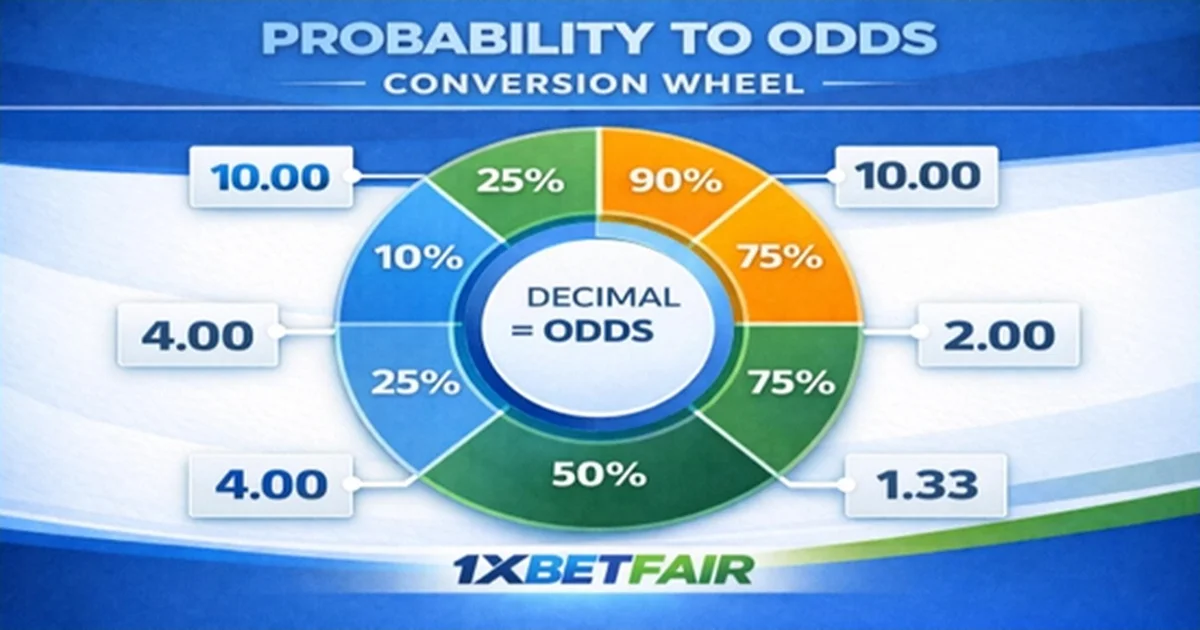
The mathematical conversion is straightforward: Decimal odds = 1 ÷ probability. So if Team A has a 40% (0.40) chance of winning, the “fair” decimal odds would be 1 ÷ 0.40 = 2.50.
Step 3: Adding the Margin
Here’s the business reality: gaming platforms need to sustain operations and profit. They add a margin (sometimes called “overround” or “vig”) to the odds. Instead of offering 2.50, they might offer 2.35. This margin ensures that over thousands of bets, the platform maintains profitability while still offering competitive returns to players.
Step 4: Market Adjustment
Odds are living, breathing numbers. They adjust based on betting patterns, breaking news, and market sentiment. If thousands of bettors suddenly back Team A, the platform might lower those odds to balance their exposure. This is why checking odds at different times—and on different platforms—can reveal value opportunities.
The key insight? Odds reflect both the probability of an outcome AND the market’s perception of that probability, seasoned with the platform’s margin.
The Importance of Probability in Online Gaming
Understanding probability isn’t about guaranteeing wins—it’s about making educated choices that maximize your long-term value and minimize unnecessary risk.
1. Identifying Value Bets
A “value bet” exists when you believe the true probability of an outcome is higher than what the odds suggest. If you calculate that Team A actually has a 50% chance of winning (not 40%), but the odds still reflect 2.35, you’ve found value. Over time, consistently identifying value bets is how strategic players build success.
2. Managing Expectations Realistically
Probability keeps you grounded. When you see odds of 10.00, you know you’re looking at something with roughly a 10% chance of happening—a long shot. Understanding this helps you avoid chasing unlikely outcomes or overcommitting funds to high-risk options.
3. Calculating Expected Value (EV)
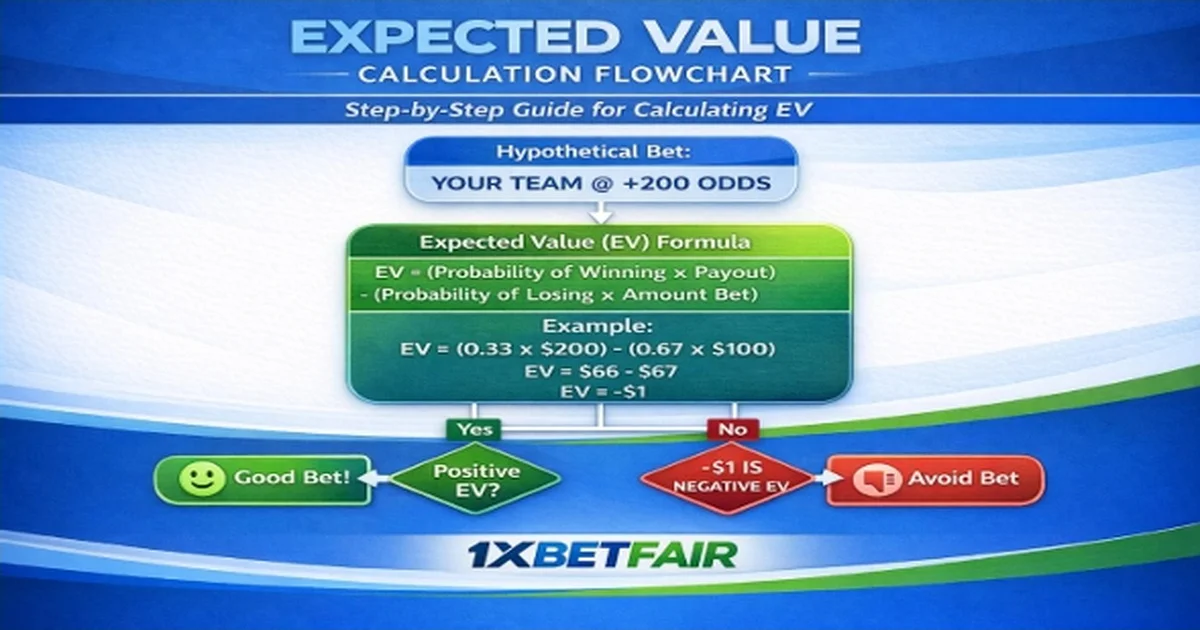
Expected Value is probability’s most powerful tool. It tells you the average return you can expect from a bet over time:
EV = (Probability of Winning × Amount Won) – (Probability of Losing × Amount Lost)
Positive EV means a bet is theoretically profitable long-term; negative EV means it’s not. Professional gamers live and breathe EV calculations.
4. Understanding the House Edge
In casino games, probability reveals the house edge—the mathematical advantage the platform holds. Knowing that European roulette has a house edge of 2.7% while American roulette has 5.26% helps you choose games with better odds. Knowledge is power, and probability provides that knowledge.
Tips for Managing Risk and Making Informed Decisions
Armed with understanding, you can now approach online gaming strategically. Here are practical tips that separate casual players from savvy ones:
1. Always Compare Odds Across Platforms
Different platforms offer different odds on the same events. Platforms like 1xbetfair often feature competitive odds, but comparison shopping ensures you’re getting maximum value for your stake. Even small differences compound over time.
2. Implement Bankroll Management
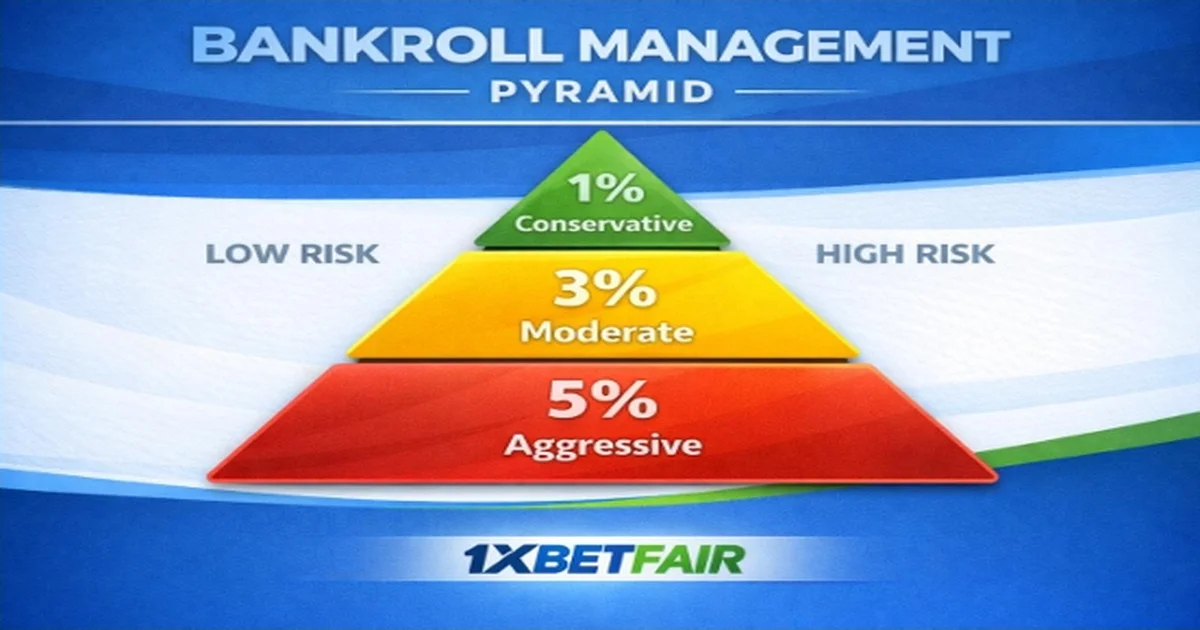
Never stake more than 1-5% of your total bankroll on a single bet, regardless of how confident you feel. Probability teaches us that even “sure things” can fail. Proper bankroll management ensures you survive losing streaks and remain in the game long enough for probability to work in your favor.
3. Focus on What You Know
Probability calculations improve with information. If you’re deeply knowledgeable about Premier League football, your probability assessments for those matches will be more accurate than for obscure leagues. Specialize rather than scatter your attention.
4. Keep Records and Analyze
Track every bet: the event, odds, stake, outcome, and your reasoning. Over time, patterns emerge. You might discover you consistently overestimate underdogs or that certain bet types yield better returns. Data-driven self-improvement is probability in action.
5. Understand Variance
Short-term results can deviate wildly from probability predictions—this is variance. You might make ten excellent probability-based decisions and still lose. Don’t let short-term results shake your long-term strategy if your process is sound.
6. Avoid the Gambler’s Fallacy
Just because red has come up five times in roulette doesn’t mean black is “due.” Each spin is independent. Past results don’t influence future probability in games of chance. Understanding this prevents costly mistakes.
7. Use Tools and Resources
Modern gamers have access to odds calculators, probability converters, and statistical databases. Leverage these tools. 1xbetfair and similar platforms often provide detailed statistics—use them to inform your decisions rather than relying on gut feeling alone.
8. Know When to Walk Away
Set win and loss limits before you start. If you reach either threshold, stop. Emotional decisions made while chasing losses or riding a winning streak rarely align with sound probability principles.
Conclusion: Gaming Smarter, Not Harder
Understanding odds and probability transforms online gaming from a game of chance into a game of strategy. It won’t eliminate risk—nothing can—but it provides the framework for making intelligent, informed decisions that improve your outcomes over time.
The numbers flashing on your screen are no longer mysterious. They’re information—data points that, when properly interpreted, give you an edge. Whether you’re exploring the diverse options on 1xbetfair or any other platform, approach each decision with the confidence that comes from understanding.
Remember, the goal isn’t to win every bet. The goal is to make bets that, over time, reflect positive expected value. That’s the difference between gambling and strategic gaming.
So the next time you see those odds—2.50, 3.75, 1.80—you’ll know exactly what they mean, how they were calculated, and whether they represent value. And that knowledge? That’s your true competitive advantage.
Game responsibly. Game intelligently. Game informed.
